Val d’Orcia – A UNESCO Landscape in Tuscany: Where Timeless Beauty Meets Cultural Heritage
.
Buongiorno and welcome to RomeCabs!
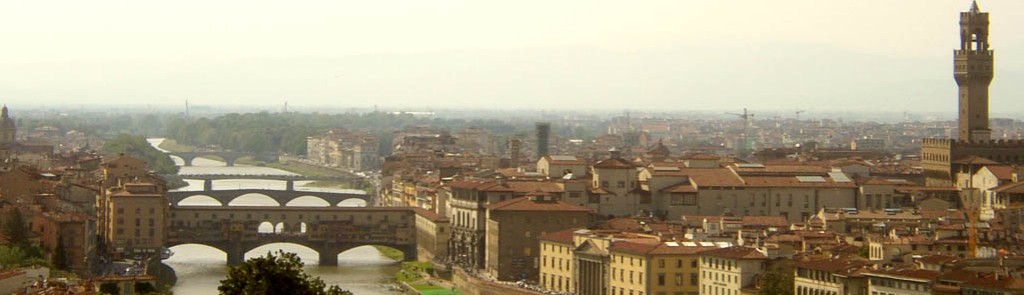
In the heart of Tuscany, Italy, there lies a place where nature and culture intertwine, where rolling hills painted with vibrant flora give way to charming medieval towns. Val d’Orcia, often affectionately referred to as the “Orcia Valley“, is a UNESCO World Heritage Site that captivates all who wander its enchanting landscape.
In this blog, we’ll embark on a journey through Val d’Orcia, exploring the intricate tapestry of its natural beauty and cultural significance that led to its designation as a UNESCO landscape.
.
.
.
A Portrait of Val d’Orcia in Tuscany
.
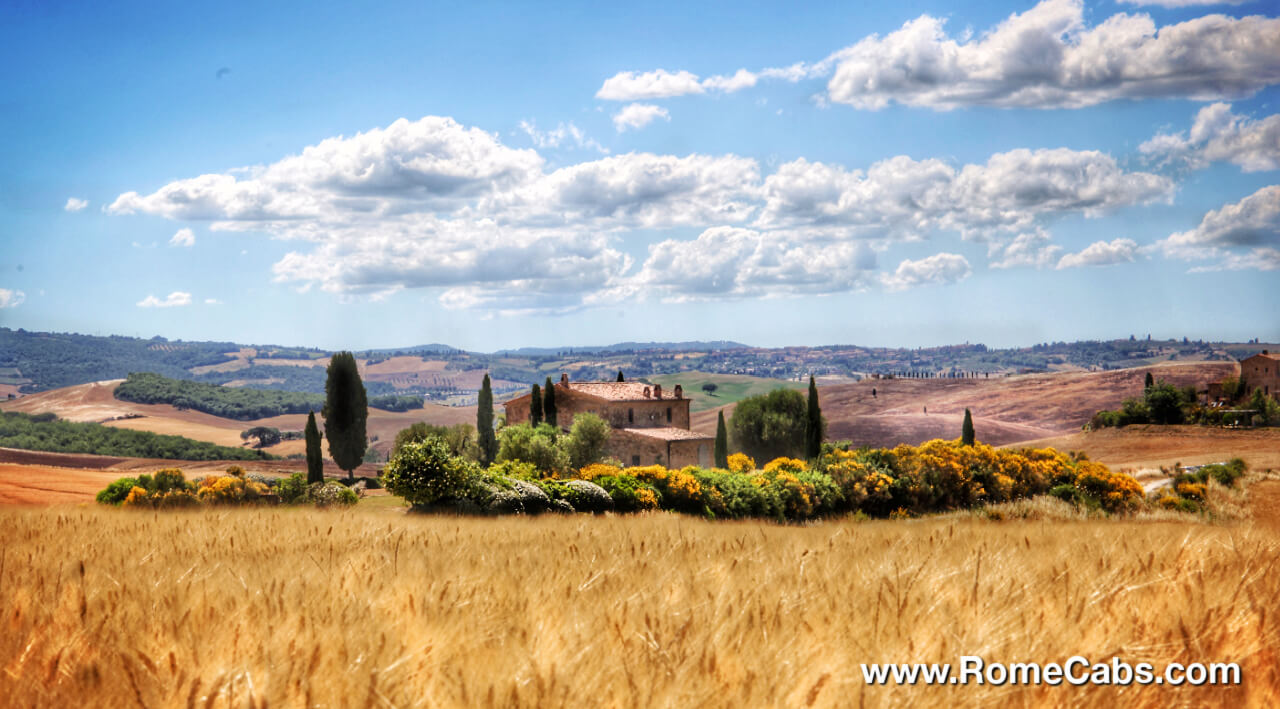
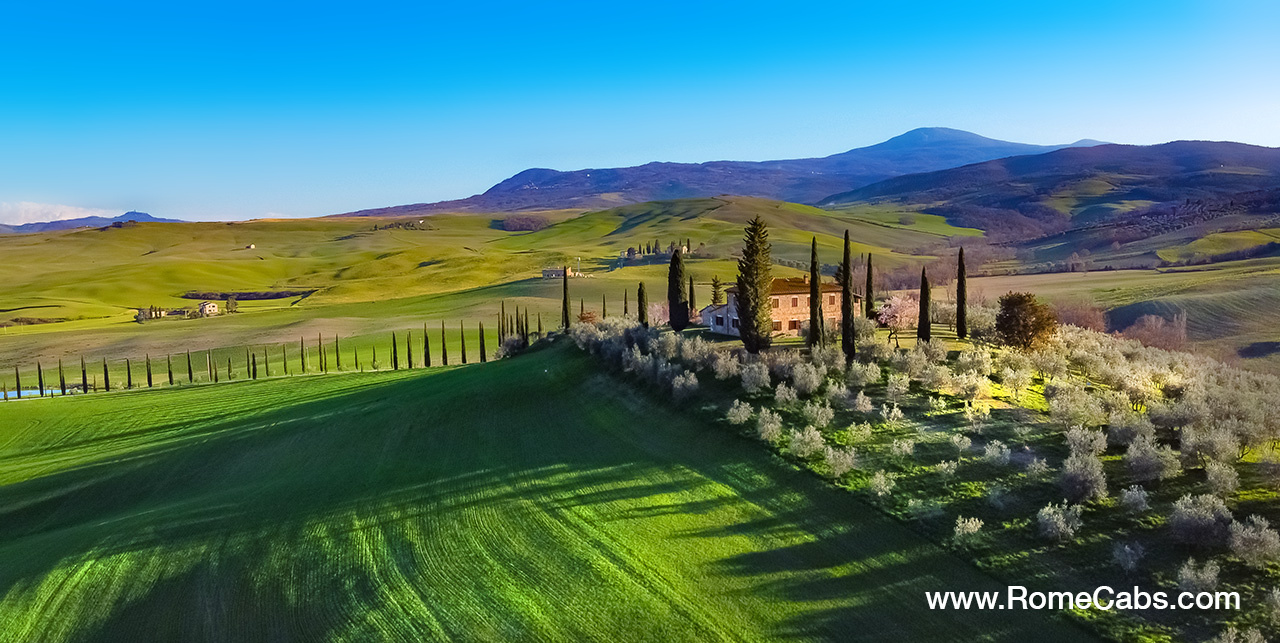
Nestled within the provinces of Siena and Grosseto, Val d’Orcia spans approximately 800 square kilometers, offering one of Tuscany’s most iconic landscapes. This enchanting valley stretches southward from Siena, weaving its way through a tapestry of undulating hills, meandering rivers, and ancient, picturesque towns such as Pienza, San Quirico d’Orcia, and Montalcino. Its sweeping views, often framed by perfectly aligned rows of cypress trees and dotted with rustic farmhouses, embody the quintessential Tuscan countryside that has captivated artists, filmmakers, and poets for generations.
The valley’s beauty is timeless, and it’s not just the landscapes but the rich cultural and agricultural heritage that defines it. Here, the rhythms of rural life are palpable, with seasonal cycles of wheat harvests, grape cultivation, and olive picking still practiced in much the same way as centuries ago. A drive along its winding country roads leads to breathtaking vantage points, where medieval towns and Renaissance villages rise from the rolling hills like ancient guardians of the past. Declared a UNESCO World Heritage site, Val d’Orcia preserves its historical and agricultural legacy, with fertile fields producing Pecorino cheese, Brunello di Montalcino wine, and Tuscan olive oil, further enriching the local culture.
Val d’Orcia’s natural beauty is punctuated by more than just its landscapes. The region is home to some of Italy’s most charming thermal springs, such as those in Bagno Vignoni, where warm, mineral-rich waters have been enjoyed since Roman times. Whether walking through its vine-covered hills, photographing the golden wheat fields, or wandering the cobblestone streets of fortified villages, visitors will find themselves enchanted by a valley where time seems to stand still. This tranquil and timeless beauty invites all who visit to slow down, reconnect with nature, and experience the pure essence of Tuscany.
.
.
.
.
A Journey Through Time: Val d’Orcia’s History
.
Val d’Orcia’s history is a layered narrative that unfolds like the pages of a well-worn novel. From its Etruscan origins to the zenith of Roman influence, the valley has silently observed the ebb and flow of civilizations. But it was in the Middle Ages that Val d’Orcia faced a lull as its agricultural and pastoral pursuits waned, leaving traces of abandonment.
The renaissance of this enchanting valley commenced in the 10th and 11th centuries when economic rejuvenation and political stability breathed new life into the region. Monasteries flourished, the ancient Via Francigena (a significant religious and trade route linking Rome and northern Italy) gained prominence, and villages proliferated under a feudal system.
The 13th and 14th centuries witnessed the rise of the Sienese city-state, which played a pivotal role in shaping the distinctive rural panorama of Val d’Orcia. This lush landscape became a beacon of Renaissance ideals, an ideology that was artfully expressed in a circa 1339 painting by Ambrogio Lorenzetti, displayed in Siena’s Town Hall.
Wealthy Siennese merchants, inspired by their dreams of agricultural prosperity, introduced an innovative land tenure system that spurred productivity. They invested in settlements, constructed fortifications, villas, and churches, and commissioned masterpieces from artists like Giovanni di Paolo and Sano di Petri to encapsulate the Renaissance utopian vision they embodied.
The late 16th century marked the twilight of Siennese influence over Val d’Orcia, causing a gradual decline in its economic importance. Paradoxically, this decline preserved traditional land-use patterns and structures, maintaining the Renaissance aura that continues to grace the landscape today.
.
.
.
Val d’Orcia’s UNESCO Designation
.
In 2004, the United Nations Educational, Scientific and Cultural Organization (UNESCO) recognized the cultural and natural significance of Val d’Orcia by designating it as a World Heritage Site. Val d’Orcia is a prime example of a harmonious coexistence between humans and their environment, a place where cultural and natural heritage converge in breathtaking splendor.
The UNESCO designation celebrates the region’s historical agricultural practices, which continue to shape the landscape today. The traditional farming methods, terraced fields, and farmhouses coexist seamlessly with the natural beauty of the valley, creating a unique and harmonious cultural landscape.
.
Exploring Val d’Orcia: What to See and Do in this UNESCO Gem
.
Val d’Orcia’s timeless beauty isn’t just a feast for the eyes; it’s a place that invites you to immerse yourself in its rich culture, indulge in delectable cuisine, and savor the tranquility of rural life. As you venture through this UNESCO-designated landscape, here’s a glimpse of what awaits you in Val d’Orcia.
.
Scenic Drives and Hikes through Val d’Orcia
The winding roads of Val d’Orcia offer some of the most scenic drives in Italy. Cypress-lined avenues, rolling hills, and picture-perfect panoramas make it a paradise for road trippers.
One of the highlights of our Tuscany day tours from Rome is the scenic drive. For hikers and nature lovers, the valley’s terrain is dotted with trails that lead to secluded spots and hilltop vistas.
.

.
.
Explore Charming Tuscan Towns
Val d’Orcia is home to several charming towns, each with its own unique character and historical significance. Today, Val d’Orcia stands as a living testament to the enduring connection between humans and nature and its charming towns reflect the beauty of this region.
.
1. Pienza: The Renaissance Gem
Just a few kilometers from Vitaleta, Pienza is renowned as the “ideal Renaissance town.” This UNESCO World Heritage Site was designed by Pope Pius II and is celebrated for its stunning architecture, including the Cathedral of Santa Maria Assunta and Piazza Pio II. Strolling through its cobbled streets, you’ll discover numerous artisan shops where you can sample Pecorino di Pienza, a sheep’s milk cheese that is a local specialty. The panoramic views from Via del Castello provide breathtaking vistas of the Val d’Orcia countryside, making Pienza a must-see destination.
.
2. Bagno Vignoni: Thermal Baths and Tranquility
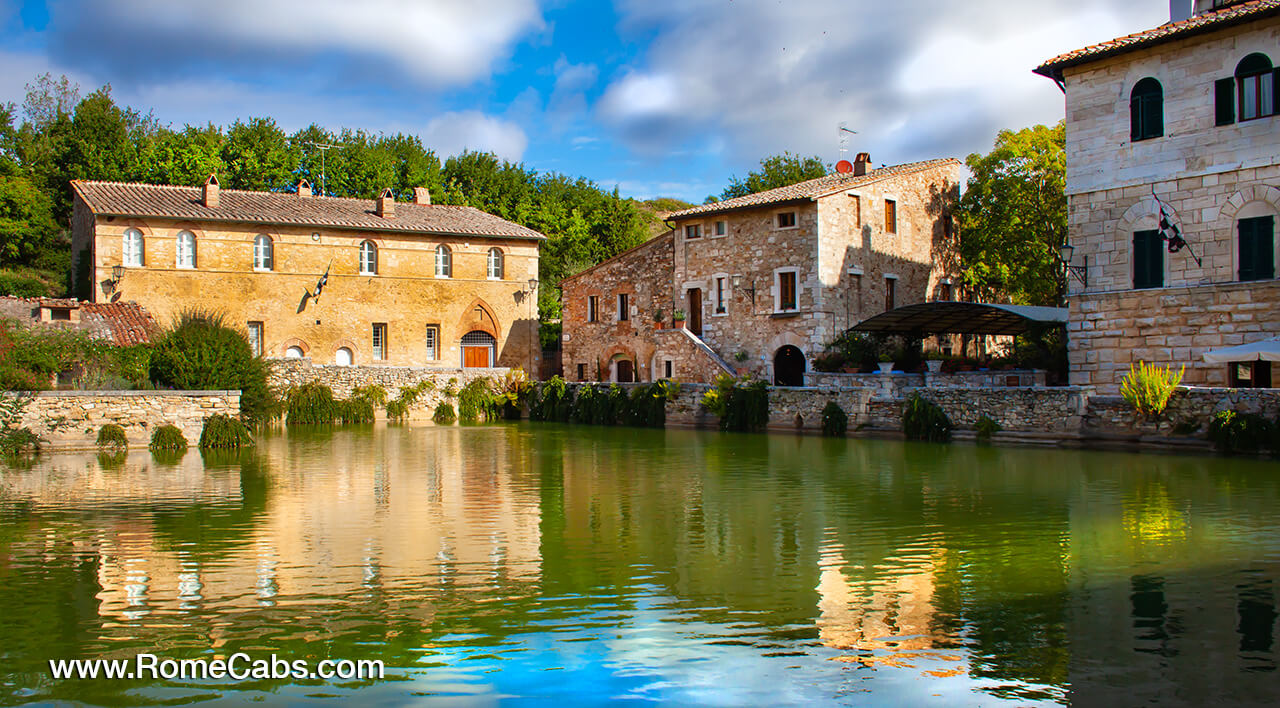
A short drive from Vitaleta takes you to Bagno Vignoni, a village famous for its ancient thermal baths. At the heart of the town is Piazza delle Sorgenti, a large pool fed by natural hot springs that has been used for centuries. Although bathing in the central pool is no longer allowed, visitors can relax at the Parco dei Mulini nearby, where you can indulge in the region’s rejuvenating thermal waters. For those who enjoy hiking, Bagno Vignoni also offers scenic trails through the surrounding countryside.
.
.
.
3. San Quirico d’Orcia: A Taste of Medieval Tuscany
Just a stone’s throw from Vitaleta, San Quirico d’Orcia is a quintessential Tuscan village with a rich medieval history. Its highlight is the Collegiata di San Quirico e Giulitta, a Romanesque church with a beautifully detailed portal. Don’t miss the chance to wander through the peaceful Horti Leonini, a 16th-century Italian garden that offers a serene escape. Traditional trattorias in the village serve local delicacies such as pici pasta and Pecorino cheese, perfect for a delicious Tuscan meal.
.
4. Monticchiello: Medieval Charm and Views
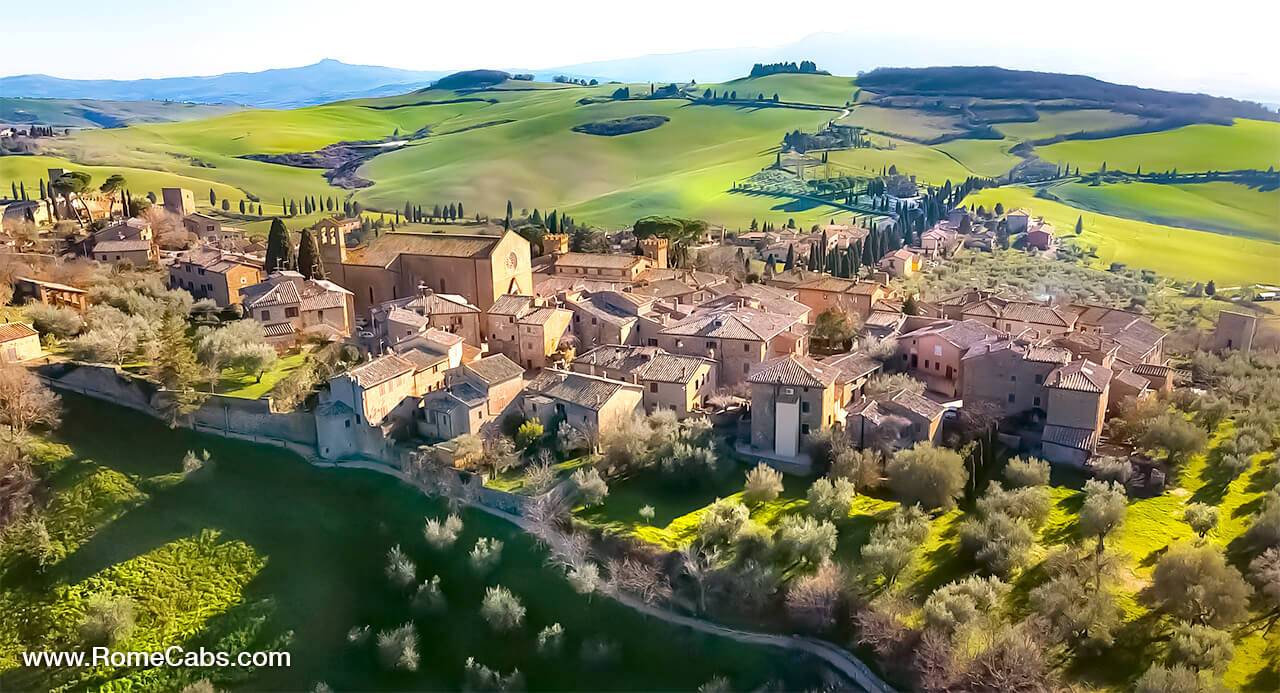
Perched on a hilltop, Monticchiello is a quiet medieval village offering stunning panoramic views of the Val d’Orcia. Its narrow stone streets, lined with ancient houses, lead to the Church of Santi Leonardo e Cristoforo, which dates back to the 13th century. Monticchiello is also famous for its community-run Teatro Povero, where locals have been performing plays for decades, offering an authentic glimpse into rural Tuscan life. It’s a peaceful retreat compared to the busier towns nearby.
.
.
.
.
5. Montalcino: Home of Brunello
A short drive from Vitaleta brings you to Montalcino, a medieval hilltop town renowned for its world-famous Brunello di Montalcino wine. The town is dominated by the imposing Rocca di Montalcino, a fortress offering breathtaking views of the surrounding vineyards and rolling hills. Montalcino is a wine lover’s paradise, with numerous wineries and tasting rooms where you can sample the region’s exceptional wines. Beyond its wine culture, Montalcino offers charming piazzas, churches, and cafes where visitors can soak in the Tuscan atmosphere.
.
6. Hiking to Cappella della Madonna di Vitaleta
If you want to experience the landscape of Val d’Orcia up close, hiking to the Chapel of Vitaleta is a must. Starting from San Quirico d’Orcia or Pienza, you can follow scenic paths through the Tuscan hills. As you approach the chapel, the sight of its iconic silhouette framed by cypress trees will take your breath away. This immersive hike allows you to explore the Tuscan countryside at a leisurely pace, offering a deeper connection to the area’s natural beauty.
.
.

..
.
7. The Chapel of Vitaleta
The Chapel of Vitaleta, nestled among the rolling hills of Val d’Orcia, is one of Tuscany’s most iconic and picturesque landmarks. Framed by cypress trees and surrounded by sweeping landscapes, this small yet striking chapel embodies the timeless beauty of the region. Located between San Quirico d’Orcia and Pienza, the chapel’s serene and isolated setting makes it a favorite among photographers and travelers seeking a peaceful connection to Tuscany’s countryside. Its simple yet elegant design stands as a testament to the area’s deep historical and cultural heritage, making Vitaleta a must-see destination for anyone exploring Val d’Orcia.
.
Savor Tuscan Culinary Delights
Tuscany’s culinary heritage is a reflection of its rich agricultural landscape, and Val d’Orcia offers a true taste of the region’s bounty. A visit to the area wouldn’t be complete without sampling the famed Pecorino di Pienza, a prized sheep’s milk cheese that ranges from soft and mild to aged and tangy, depending on how long it matures. Many local shops and markets in Pienza offer tastings, allowing you to appreciate the unique flavors of this renowned cheese.
In addition to Pecorino, the region is known for its rich dishes featuring wild truffles, which are often paired with handmade pasta, such as pici, or used to enhance succulent meat dishes. You can enjoy these specialties at family-owned trattorias scattered throughout the countryside, where the recipes are passed down through generations. Pair your meal with local olive oil and fresh, seasonal ingredients, such as roasted vegetables or hearty soups like ribollita, for a complete Tuscan dining experience. Every dish in Val d’Orcia is a celebration of simple, authentic flavors that tell the story of the region’s deep culinary traditions.
.
.

.
.
Wine Tasting in Tuscany
No trip to Val d’Orcia is complete without experiencing the world-class wines that have put Tuscany on the global map. Just a short drive from Vitaleta lies Montalcino, home to the legendary Brunello di Montalcino, one of Italy’s most prestigious wines. Wine enthusiasts can explore the region by booking a Wine Tasting Tour in Tuscany, where local vineyards open their doors to offer guided tours of their estates and cellars.
Here, you’ll learn about the meticulous winemaking process behind Brunello and other regional wines, such as Rosso di Montalcino and Vino Nobile di Montepulciano. Stroll through lush vineyards while sipping on wines that reflect the unique terroir of the area, with views stretching across the vine-covered hills and rolling countryside.
Many wineries also offer tastings paired with local Tuscan specialties like salumi, aged cheeses, and artisanal breads, giving you a true farm-to-table experience. Whether you’re a seasoned oenophile or a casual wine lover, a visit to the wineries of Val d’Orcia offers an unforgettable immersion into Tuscany’s celebrated wine culture.
.
.
.
..

.
.
Relaxation and Tranquility in Val d’Orcia
Above all, Val d’Orcia is a place to unwind and reconnect with the simple pleasures of life. Whether you choose to sit under the shade of a cypress tree, sip wine as you watch the sunset, or simply breathe in the clean country air, Val d’Orcia invites you to embrace serenity and tranquility.
Val d’Orcia is a place where time takes a different shape, where nature and culture harmonize, and where history whispers in the wind. It is a landscape that epitomizes the very essence of Tuscany’s beauty and heritage.
The UNESCO designation acknowledges not only the valley’s natural beauty but also the rich cultural history that has shaped it. As you wander through the picturesque towns, hike the rolling hills, and savor the flavors of the region, you become a part of Val d’Orcia’s ongoing story—an enchanting narrative that has unfolded for centuries and will continue to captivate all who visit this timeless UNESCO landscape in Tuscany.
* Find us online also on:


 RomeCabs Transfers and Tours in Italy (Rome Cabs)